
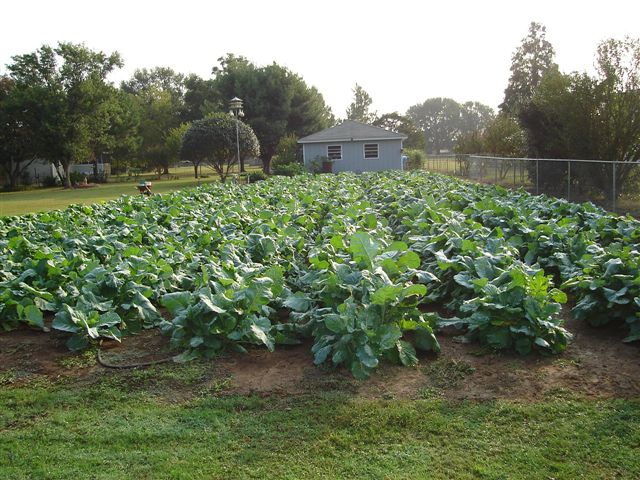
If you want a tough, reliable green that actually thrives in the South, Georgia Southern collards are hard to beat. This heirloom variety has been feeding Southern families for generations, and it handles our crazy weather better than most anything else in the garden.
Soil
Collards are heavy feeders. They like rich, well-draining soil with a pH between 6.0 and 7.0. Before planting, work in plenty of compost or aged manure to give them the nitrogen they crave. Poor soil will give you small, bitter leaves, so don’t skip this step.
Sunlight and Water
They grow best in full sun, but they’ll still do fine with 4 to 6 hours of direct light. Give them about an inch and a half of water per week. Keep the soil consistently moist, especially in the summer heat. A good layer of mulch around the plants helps hold in moisture and keeps the soil cooler.
Pest Tips
Those big crinkled leaves are spider hotels — spiders love hiding in the folds. Check the undersides of the leaves regularly. The smartest move is using fine insect netting or row covers right after planting. It keeps cabbage moths and worms out before they ever get started.
If aphids or flea beetles show up, you’ve got a good organic option. Just mix up a little neem oil with water and spray it on. It’s safe, natural, and works well without hurting beneficial bugs. If you’re looking for neem oil or this is new to you, here’s a solid one: Garden Safe Neem Oil Extract Concentrate – https://amzn.to/4tyAUtP
Harvesting
Pick the outer leaves as you need them. The plant will keep growing new ones from the center, so you can harvest the same plant for months.

