
Plant tags and Zones
Confused by those zone numbers on plant tags? You’re not alone. Most people see “Zones 5-9” and have no idea what it actually means for their yard. Here’s a clear breakdown of plant hardiness zones and how to use them.

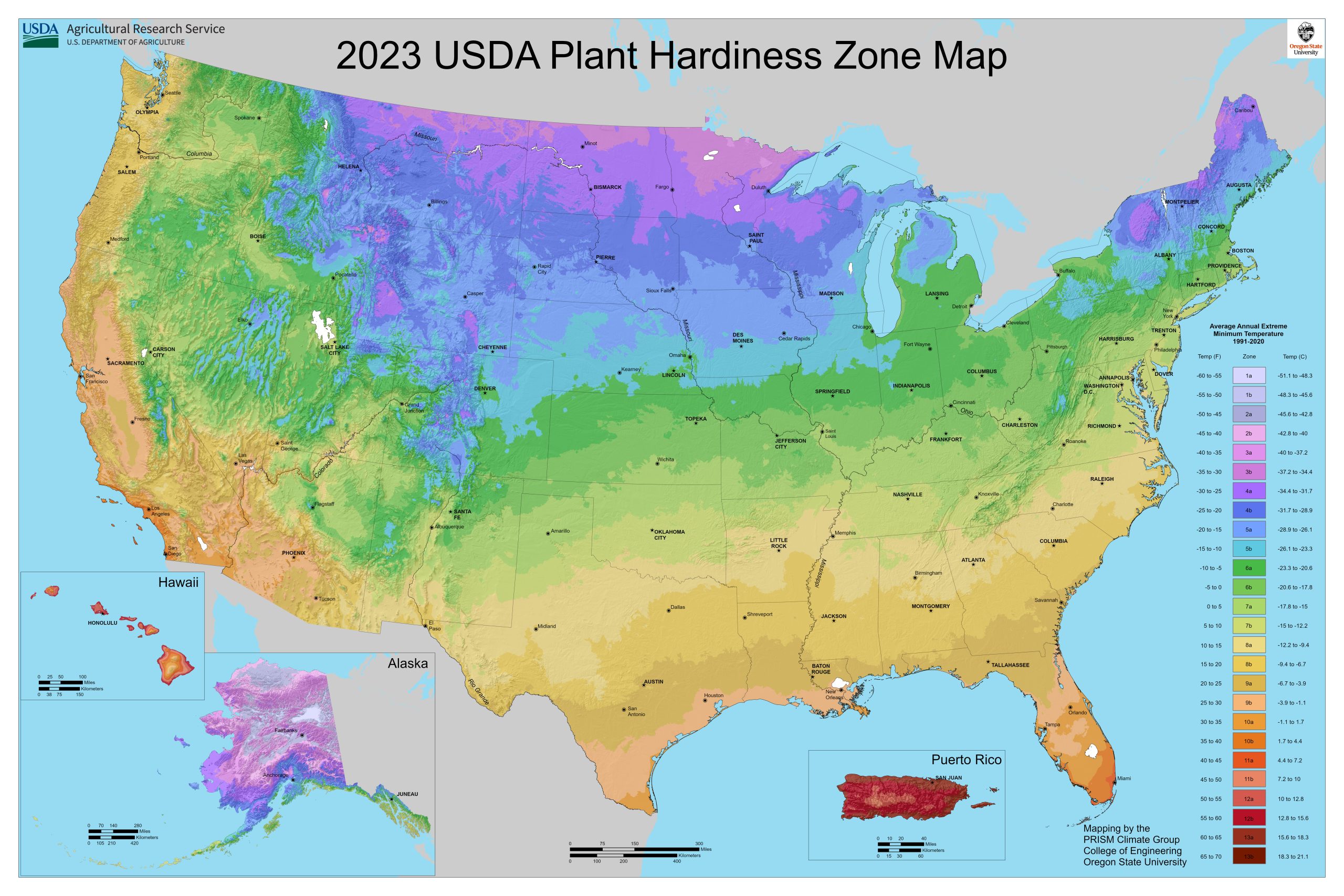
The USDA Plant Hardiness Zone Map divides the country into 13 zones based on average annual minimum winter temperatures. Each zone covers a 10-degree range. When a plant tag says it’s hardy in Zones 6-9, that means it can survive winter lows down to about -10°F. If your hardiness zone falls within that range, the plant should make it through your winters.
But cold hardiness is only half the story. The American Horticultural Society created Heat Zones that track how many days your area gets above 86°F each summer. Some plants handle freezing winters fine but can’t take extreme summer heat. Newer plant tags often list both — something like “USDA Zones 6-9, Heat Zones 3-7” — giving you the complete temperature picture.
AHS Heat-Zone Map
To use this info, just look up your USDA hardiness zone using your zip code on the official USDA map. Then check if your zone falls in the plant’s range. Remember, these maps are helpful guides — your local microclimate, soil drainage, and wind protection can still make a big difference.

Click the map to access more detail
Putting It All Together
At the end of the day, those numbers on the plant tag are just there to help you bring home something that’ll actually be happy in your yard. Grab your zip code, check both the USDA winter zone and the AHS heat zone, and you’ll already be ahead of most folks.
Remember, even the best maps can’t tell you everything. A sunny south-facing wall, that low wet spot in the backyard, or the way the wind whips around your house can change the game. So trust the zones, but also trust your own two eyes and what’s growing well in your neighbor’s garden.
Now go find something pretty, get it in the ground, and enjoy watching it thrive. Happy planting, y’all!